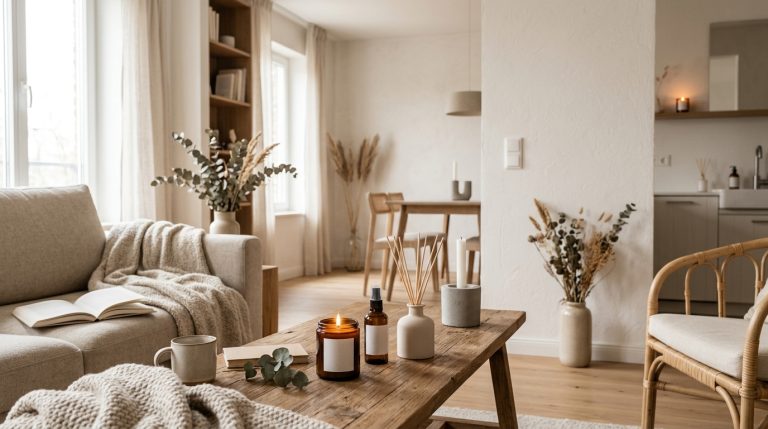
How to Make a White Room Feel Warm Instead of Cold and Clinical
Okay, so your living room is looking a little… sterile. You went all in on the white walls – maybe for that bright, airy feel – but now it’s giving more doctor’s office than cozy sanctuary. I totally get it. White can be tricky, and it’s easy for it to feel cold if you don’t balance it out. The good news? You absolutely don’t need to repaint or buy a bunch of expensive furniture.
Here’s the thing I always tell my friends struggling with this: focus on layering different textures, especially natural ones. Think about what makes a space feel inviting. It’s not just the color, it’s the tactile experience. When you walk into a room, your eyes naturally pick up on these things, even if you don’t consciously realize it.
My go-to example for this is actually my sister’s apartment. She has these super bright white walls, and for a while, it just felt a bit bare. Her biggest win was adding a large, chunky knit throw blanket over the back of her sofa. Not just any throw, but one with a really visible, soft texture – like a cream-colored chenille or even a faux sheepskin. It immediately broke up the visual expanse of the white sofa and wall behind it. It looked so inviting, like you just wanted to curl up with a book. And it made the whole room feel instantly cozier. She snagged hers at HomeGoods for about $25-30, but you can find similar ones on Amazon or at Target easily.
The key here isn’t just adding “stuff.” It’s about adding things that have a tactile quality. Think about a linen pillow versus a plain cotton one. Or a woven jute rug versus a plain synthetic one. These textures add depth and warmth without introducing clashing colors or making the room feel cluttered. They absorb and diffuse light differently, creating subtle shadows and highlights that prevent the room from looking flat. They also hint at comfort and coziness, which is exactly what you want when you’re trying to counteract that clinical vibe.
You can also bring in wood tones – even small accents like a wooden tray on a coffee table or a set of rustic picture frames. Plants are another obvious winner for texture and life, but start with the fabrics. It makes the biggest impact for the least amount of effort and money.
So, your actionable step for this week: Find one really great, textured throw blanket. Drape it over your sofa or a comfy armchair. See how much of a difference that single textural element makes in making your white room feel like a warm hug instead of a cold shoulder.
Frequently Asked Questions
How can I prevent my white room from feeling cold or clinical?
Introduce natural textures like wood, wool, and linen. Use warm-toned lighting, soft furnishings, and strategic pops of color to add depth and coziness, counteracting any starkness. Focus on creating inviting layers.
What lighting choices best warm up a white space?
Opt for warm white or soft white bulbs (2700K-3000K) instead of cool tones. Incorporate multiple light sources like lamps with fabric shades to create inviting layers and eliminate harsh shadows, adding a soft glow.
What types of decor or textures make a white room feel cozier?
Layering soft textiles such as plush rugs, throws, and velvet pillows is key. Incorporate natural materials like rattan, clay, and plants. Choose furniture with organic shapes and warm wood finishes to add warmth and character.