The Psychology Of Color In Home Design: What Each Room Needs (Part 33)
**Unlocking the Power of Color: A Guide to Creating Your Dream Home**
When it comes to designing your dream home, one of the most crucial elements is color. Colors can evoke emotions, create ambiance, and even influence our mood and behavior. In this article, we’ll delve into the psychology of color in home design, exploring what each room needs, popular product types, materials, and where to find them.
**Assessing Your Color Palette**
Before you start shopping for products, it’s essential to assess your personal color palette. Take note of the colors that make you feel good, calm, or energized. Consider your favorite colors, natural light, and furniture styles when deciding which colors will complement each room.
For example, if you tend to feel more relaxed in blues, consider incorporating shades like sky blue (#87CEEB), navy blue (#032B44), or powder blue (#A1C9F2) into your color scheme. If you prefer warm tones, try incorporating elements of orange (#FFC107), yellow (#F7DC6F), or honey (#F8E231).
**Room-by-Room Color Guide**
Here’s a comprehensive guide to each room in your home, including recommended colors and product types:
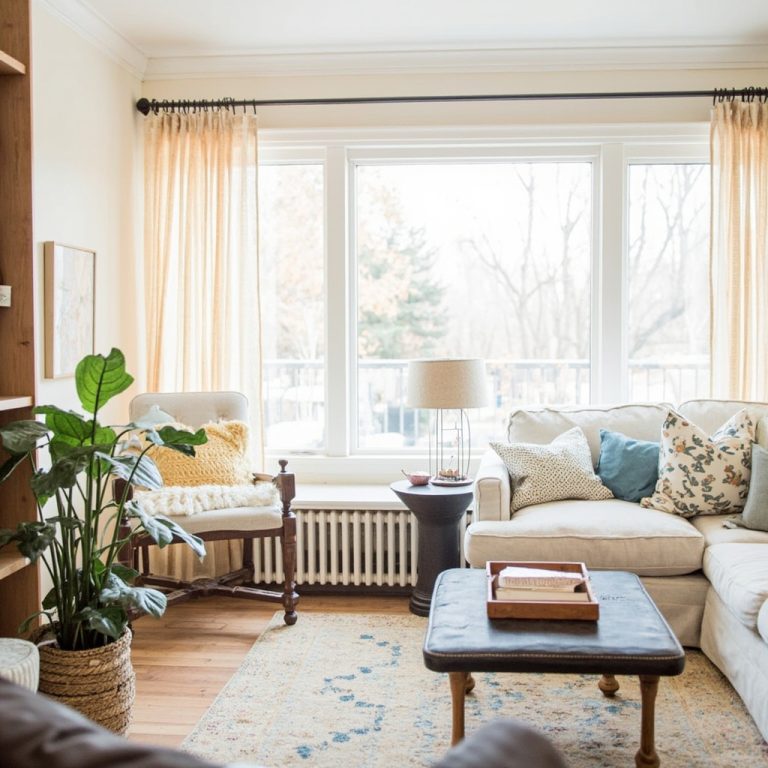
1. **Living Room:**
* Warm neutrals: beige (#F5F5DC) or taupe (#A8D7F5)
* Accent color: rich red (#8B0A1A) or deep coral (#FF99CC)
* Furniture: espresso-stained wood (e.g., walnut, teak), velvet armchairs
* Lighting: table lamps with warm-toned shades (e.g., linen, burlap)
2. **Bedroom:**
* Calming colors: soft gray (#E5E5EA), pale blue (#A1C9F2), or creamy white (#FFF599)
* Accent color: deep plum (#660066) or emerald green (#008000)
* Furniture: plush upholstered headboards, linen bed skirts
* Lighting: bedside tables with soft shades (e.g., frosted glass, linen)
3. **Kitchen:**
* Warm and inviting colors: warm red (#FF3737), burnt orange (#FF9900), or sunny yellow (#F2C464)
* Accent color: rich green (#34C759) or deep navy blue (#032B44)
*